
Introduction
A Chinese network suspected of exporting precursor chemicals for fentanyl has been linked to a significant cryptocurrency fraud scheme operating through Japan, according to an investigation by Nikkei. The report reveals that this group utilized Japanese internet domains and created a counterfeit token named “Zksync.jp” to deceive cryptocurrency users globally. Losses from this fraudulent activity have reportedly reached hundreds of millions of yen, equivalent to over $1 million. The name of the token appears to mimic ZKsync, a legitimate Ethereum Layer 2 network developed by Matter Labs, with no evident connection between ZKsync and the alleged fraud.
Key Findings
The investigation identified Hubei Amarvel Biotech, a chemical company based in Wuhan, as central to the network. In 2025, two executives from Amarvel were acquitted of a major fentanyl charge but were convicted for conspiring to import a fentanyl precursor chemical and for money laundering. Nikkei also reported that a Nagoya-based company named Firsky acted as a front for the network in Japan. A Chinese national, Xia Fengzhi, was identified as being involved in logistics and financial transactions from Japan. Firsky was liquidated in July 2024, and Xia’s current whereabouts are unknown.
Financial Transactions and Money Laundering
Using wallet addresses disclosed in U.S. court evidence, Nikkei traced the flow of funds linked to Amarvel and its Japanese operations. The report indicated that over 120 cryptocurrency transactions connected the network to entities under U.S. sanctions, suggesting a pattern of money laundering, although these findings are primarily based on on-chain tracing and court-related data. The transactions were reportedly clustered around parties associated with the Wuhan Yuancheng Group, which has been implicated in U.S. actions against Chuen Fat Yip, a Chinese national accused of leading a transnational drug operation. The U.S. State Department has offered a $5 million reward for information leading to his arrest.
Fraudulent Token and Domain Registration
The alleged “Zksync.jp” token utilized a Japanese domain suffix, which typically requires a registrant to have a Japanese address. However, Nikkei reported that the domain registrant appeared to be a Chinese national based in Hong Kong with strong financial ties to Amarvel. Chainalysis informed Nikkei that Japanese domains can lend credibility to fraudulent sites for users abroad. This aligns with a broader trend where criminal organizations exploit trusted jurisdictions, familiar project names, and blockchain transactions to facilitate cross-border fund transfers.
Regulatory Context and Challenges
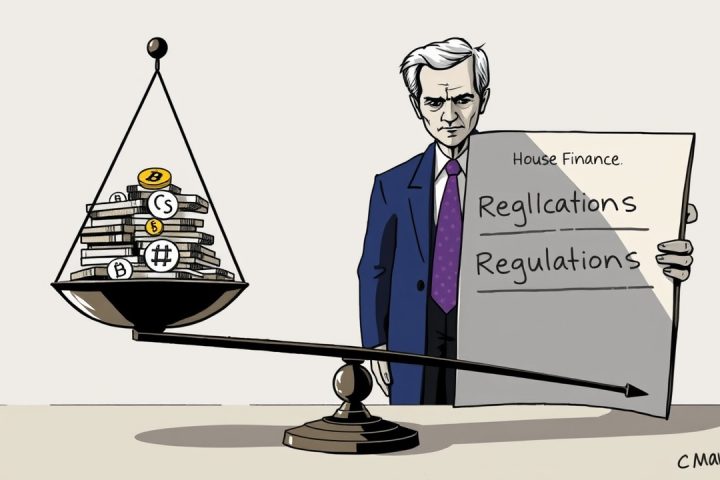
This case emerges as Japan seeks to expand its regulated cryptocurrency market. As previously reported by crypto.news, Japan’s lower house passed a bill to reclassify cryptocurrency under the Financial Instruments and Exchange Act, with a related tax plan aiming for a 20% rate by 2028. This context presents a challenging environment for regulators, as Japan aims to attract legitimate crypto activities while Nikkei‘s findings illustrate how criminal networks can exploit Japanese infrastructure to gain trust.
International Cooperation and Enforcement
Additionally, the DEA signed a memorandum with the Japan Coast Guard in May to enhance enforcement against fentanyl smuggling. TRM Labs reported that 97% of 120 Chinese precursor manufacturers studied accepted cryptocurrency, with wallets linked to these manufacturers receiving over $26 million in 2023. The Nikkei case adds a layer of Japan-linked fraud to the broader use of cryptocurrency in synthetic drug supply chains.